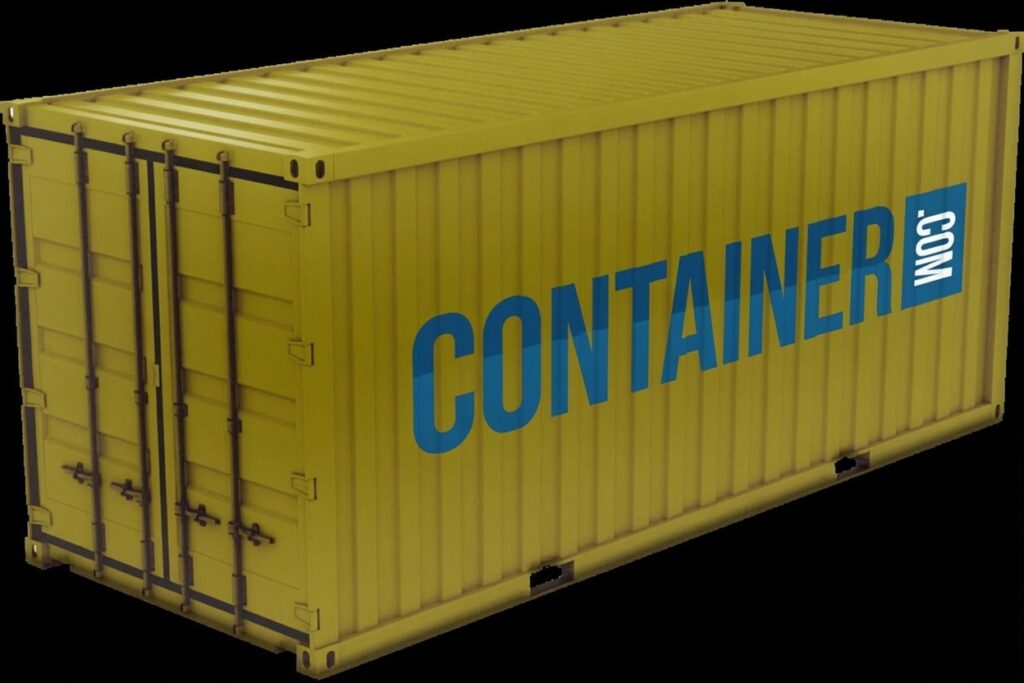
Durable, versatile, strong, economical and long lasting. These are just some of the traits that make Shipping Containers so attractive for nearly every situation. An ISO Intermodal Shipping Container is simply a reinforced steel box, with a multitude of uses.
A Game Changing Container Shopping Experience
We built Shipped.com so that you can buy a shipping container at the lowest possible price along with easy pickup or delivery. You will find no high pressure salesmen here and you won’t have to wait for silly high-markup quotes either! At Shipped.com you can actually see direct pricing and our shopping cart will instantly calculate your delivery price. We actually built this shopping experience with our customers in mind, including 7 great payment choices. And your purchase is fully insured by our iron clad satisfaction guarantee. So now it’s time to stop haggling with local vendors and high-markup national sellers. Welcome to the game changing Shipped.com, where you’re going to love buying a container!
To start, please keep reading our buyer’s guide below, then later take a look at our shipping containers for sale or our rent to own shipping containers.
About Shipping Containers
Shipping containers are made from corrugated weathering steel to be strong and weather resistant. They are easily transported, by ship, rail, road or helicopter. They can withstand everything mother nature can throw at them, including earthquakes, hurricanes and tornadoes. Standing alone, they can withstand winds of 110mph or more. With anchoring, they can easily withstand winds of 175mph or more.
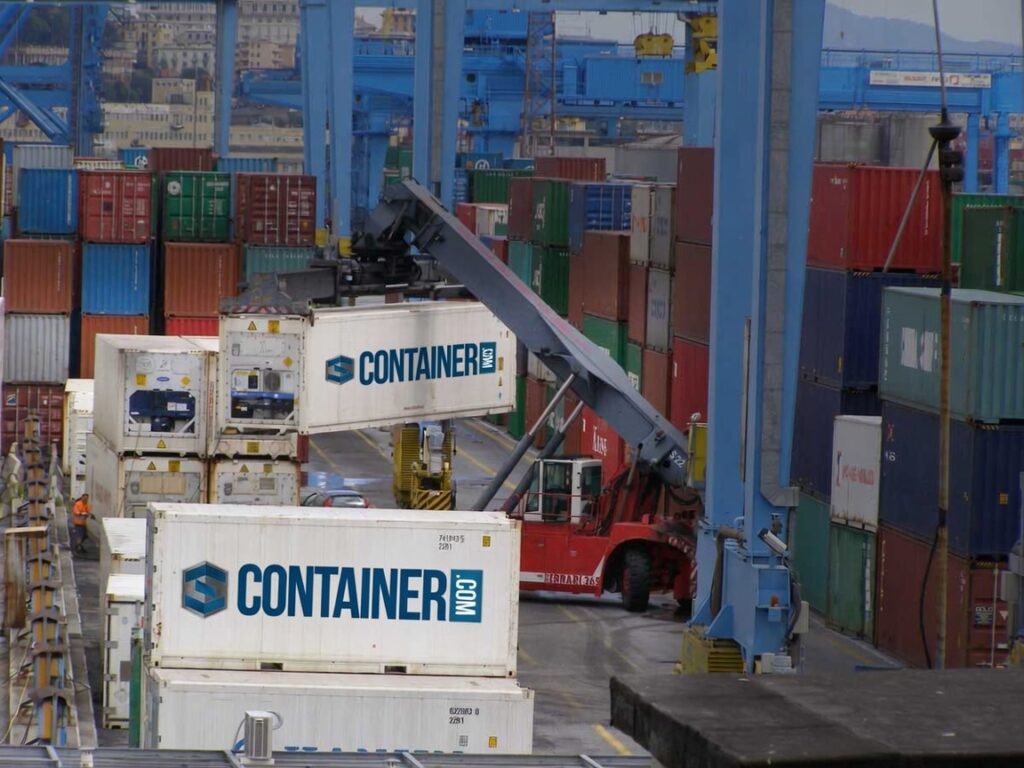
Shipping containers are available in many different sizes and types. The most common type is a dry freight container that has a set of cargo doors on one end. These dry storage containers, or “dry vans” represent the majority, with millions in circulation around the globe. The most common of these are the 20′ and 40′ containers. Rounding out the rest are insulated, refrigerated, tanktainers (for liquids) and modified containers.
Generally speaking, containers were originally 8-foot (2.44 m) wide by 8-foot (2.44 m) high, and either a nominal 20-foot (6.1 m) or 40-foot (12.19 m) long. At each of the eight corners are corner-castings with twist-lock openings fasteners. These corner castings are useful for lifting by crane or to lock them together when stacking on a ship, up to eight units high. The standard height now is now 8 ft 6 in (2.59 m). Taller units have been introduced, including “hi-cube” or “high-cube” units at 9 feet 6 inches (2.90 m). 45 foot high-cube units are also available in select markets world wide, but these are less common. The United States and Canada also use longer units at 48 ft (14.63 m) and 53 ft (16.15 m) but overall, these are quite rare and expensive.
Along with size and spec, each container is graded and this grade is also an important factor to consider when purchasing your shipping container. But before anything else, you should know exactly what you want to use your container for.
Shipping Container Uses
Although the primary use of shipping containers is for transoceanic transport (primarily the shipping of goods across the ocean), there are many other aftermarket uses, such as:
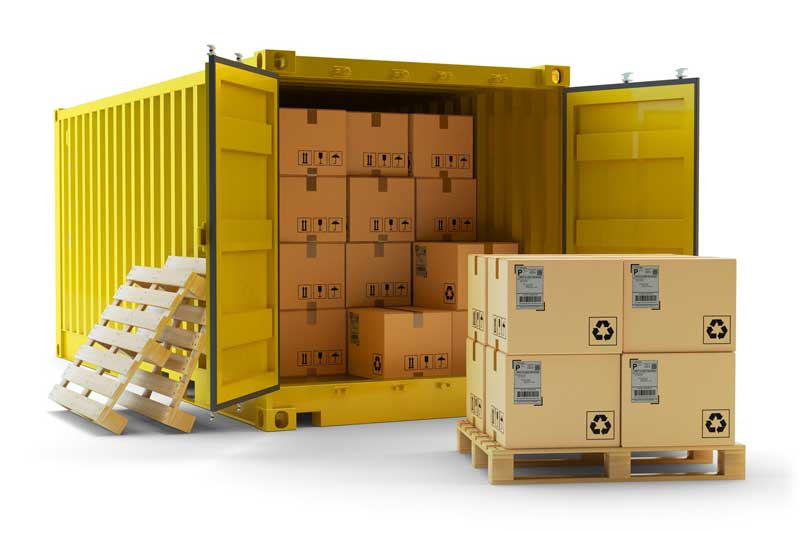
Industrial: Storage Containers are rugged, and are the perfect solution for industrial storage. Shipping containers offer wind and water-tight storage for your products, raw materials, additional inventory or waste holding. If you are remodeling, moving or just need more space, a shipping container from Shipped.com is the perfect solution. Industrial uses include:
-
- Excess Inventory Control
- Refuse & Waste Storage
- Workplace Expansion
- Seasonal Storage
- Equipment/Tools Storage
- Secure Storage
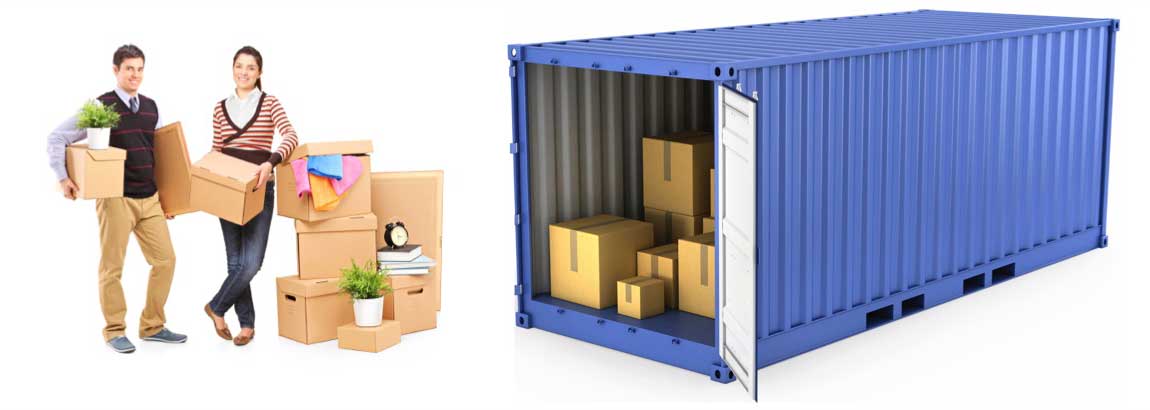
Residential: Shipping Containers are the perfect solution for on-site residential storage. They offer wind and water-tight storage for your valuables. If you are remodeling, moving or just need more space, a shipping container from Shipped.com is the perfect solution. Purchase a shipping container and use as a permanent storage solution for use at your home. Uses include:
-
- As an addition to the home
- A Ready-to-go workshop
- Additional garage storage
- Seasonal Storage
- As an underground bunker
- Pre/Post Move Storage
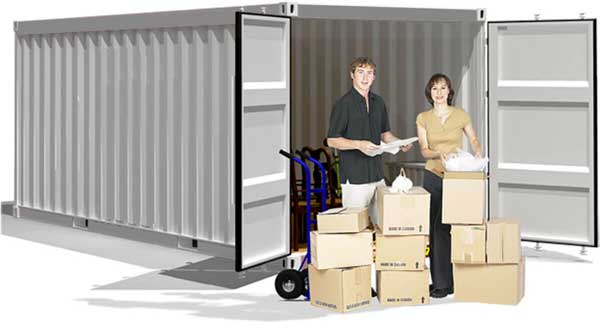
Commercial / Retail: Storage Containers are the perfect solution for commercial and retail outlets in need of extra storage or work space. Our weatherproof secure shipping containers are wind and watertight and are perfect for remodeling, moving or if you need need more space for inventory and seasonal products. Uses include:
-
- Supplies/Equipment
- Seasonal Inventory
- Excess Inventory
- Seasonal Storage
- Showroom Space
- Instant add-on office space

Shipping Container Homes and Offices: Shipping Containers can be modified to create not only homes and offices, but just about any structure you can imagine. From offshore oil rig safety rooms to hunting cabins. As they are durable, watertight, mobile and affordable, shipping containers are very popular in eco-friendly and urban spaces. To get an idea of the possibilities available when it comes to creating a home from a shipping container, just check out these shipping container homes on our blog. In addition, modified shipping containers can be repurposed into low-cost homeless shelters or emergency housing. Sophisticated buyers can even create luxury homes from repurposed containers!
Shipping Container Grades / Ratings
New (One Trip) Containers
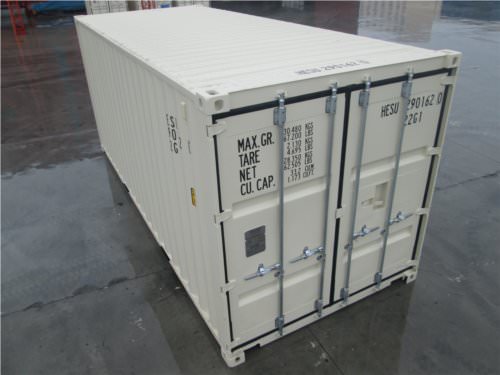
Our new containers are manufactured in Asia and delivered by ship to ports worldwide. To defray shipping costs, they will have had 3rd party cargo loaded in them for the one-trip over from Asia. Most one-trip containers are near perfect but you may notice minor scuffs, container handler marks, superficial dents or forklift tire tracks on the flooring. Nevertheless, these are new, clean and they come complete with the durable manufactures original paint and warranty. Shipped.com provides a 10 year warranty on all new containers we sell. One-trip containers come with new CSC plates and can be used to transport cargo on the high seas without an inspection for 5 years! Whenever reliability, longevity or aesthetics are important, this is your #1 choice.
IICL (Certified/IICL/CSC Plated) Containers
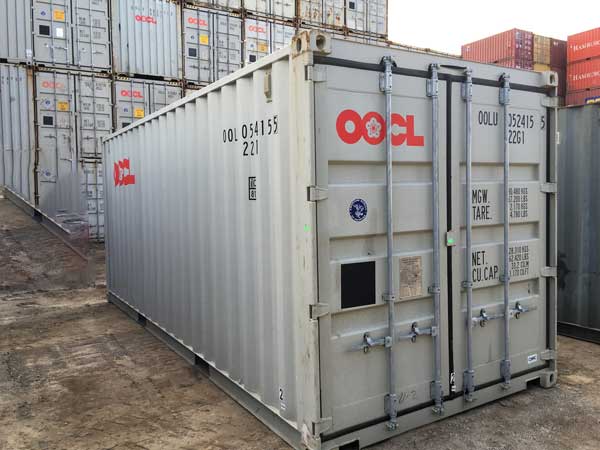
IICL containers are the highest criteria in the industry for used shipping containers. IICL containers have been used to move goods and are in good physical and cosmetic condition. An IICL rating ensures that they can withstand the demands of overseas shipping or any domestic storage use. All used IICL containers may have rust, dents, dings, patch work, patch repairs, welded sections, roof pits and the roof bows may not be perfect. However, IICL rated containers will have these imperfections much less than on any other used container available. IICL containers can be quite rare as shipping lines and international container leasing companies like us have little reason to sell off this grade of container from their long-term rental fleets.
CWO (Cargo Worthy/Certified/AV/CSC Plated) Containers
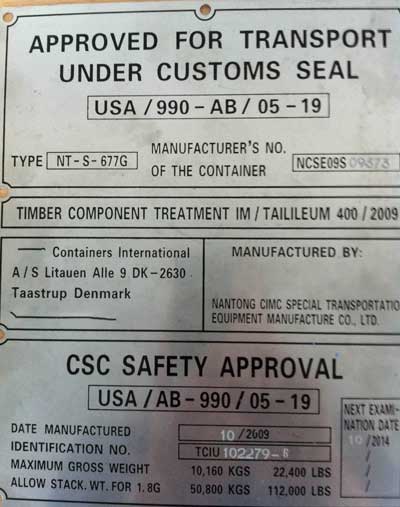
Cargo Worthy (CWO) containers are currently being used to transport cargo domestically or overseas. All used containers are sold based on their structural integrity, not cosmetics and they will have many cosmetic imperfections, surface rust, dents, dings, patch work, patch repairs, welded sections, roof pits and the roof bows will not be perfect. CWO containers can be graded primarily on their structural integrity for carrying a load of goods for transport. All the CWO containers we sell can be certified by a licensed surveyor and used to continue transporting cargo. Inspection criteria is based on the condition of the doors, floor, walls, ceiling and the overall structural integrity. You can expect a ~10% price premium vs a “WWT” container. Regardless if you plan to ship your container or not, a CWO container will guarantee that you will receive a unit that is structurally sound.
“WWT” (Wind and Water Tight) Containers
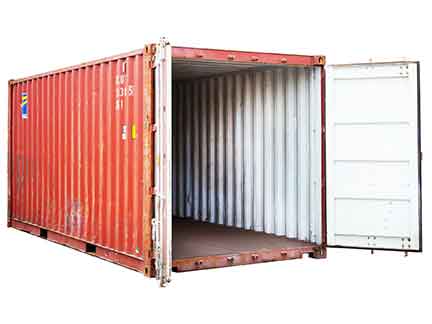
“Wind and Water Tight” containers have been retired from moving cargo on the high seas. All used containers are sold based on their structural integrity, not cosmetics and they will have many cosmetic imperfections, surface rust, dents, dings, patch work, patch repairs, welded sections, roof pits and the roof bows will not be perfect. The doors may be difficult to operate but spray-on penetrating oil often helps. The floor will be worn but in good condition. Some initial maintenance & minor repairs may be required but overall these containers are in great shape and will likely retain or even appreciate in value when resold later. WWT boxes are a great choice when you want a guaranteed wind and water tight container at the lowest possible price!
“Damaged” AS-IS Containers
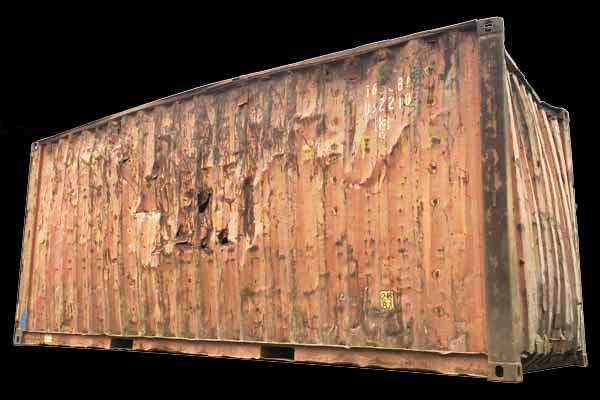
AS-IS / Damaged units have major damage. These containers have missing sections of steel, advanced rust causing structural integrity problems, missing doors, rotten floors or other serious problems. They are typically sold for recycling the steel or specific projects. Shipped.com does NOT offer damaged containers for sale.